The Only 6 Riding Boot Brands You Can Still Trust
Advertising disclosure: this article contains affiliate links. If you buy through them, this site may earn a commission at no additional cost to you. Hoof & Honest was not paid by any brand named here, and no brand was given advance sight of this article.
A Lucchese cowboy boot typically carries about forty-five lemonwood pegs holding the insole and outsole together. Lucchese chose the wood because it swells and shrinks with moisture at almost the same rate as leather, so the pegs stay put as the boot gets wet and dries out again. When the sole finally wears through, the boot goes back to the factory in El Paso, Texas, for a new one. A boot that can’t be resoled is finished the day its sole is.
Most riding boot marketing tells you nothing that useful. You get “premium leather,” “Italian craftsmanship” and “heritage,” and almost none of it says where the boot was made, how it was put together, or what happens when it wears out. So this article skips the adjectives and checks six riding boot brands against things a buyer can confirm before spending money. Those six are Ariat, Fratelli Fabbri, Parlanti, DeNiro, Lucchese and Petrie.
All six clear the bar for trust. Five of them name the town or factory where their boots are built, and Ariat is the one that doesn’t. None of the six publishes independent durability testing, and this review found no such testing for any riding boot. They’re ranked below from the most accessible to the most exacting. The ranking follows construction depth and track record, and it doesn’t mean the boot at number six is a bad buy. For a lot of riders it’s the right one.
How the six were checked
Every check below can be run from a browser. None of them depends on how a boot looks in a tack store or feels on the first try.
- Build location stated by the maker. A named town or factory counts. “Imported” or “designed in” doesn’t.
- Construction stated specifically. “Hand-lasted with brass and lemonwood pegs” counts. “Premium craftsmanship” doesn’t.
- A verifiable track record. A founding date and company history you can check against something other than the brand’s own ad copy.
- A published price. Somewhere a buyer can see what the boot costs before contacting a dealer.
To make the list, a brand had to clear at least three of the four checks.
The scorecard
| Brand | Founded | Made where (per maker) | Construction stated | Published US price | Verdict |
|---|---|---|---|---|---|
| 6. Ariat | 1993 | Not published | Yes — stabilizing shank, Duratread sole, full leather lining | Yes — $379.95 (Heritage Contour II) | Pass, with note |
| 5. Fratelli Fabbri | 1924 | Italy, handmade | Yes — made individually, up to 25 days’ processing | Varies by dealer | Pass |
| 4. Parlanti | 1987 | Rome, Italy | Yes — calfskin, buffalo-leather inner leg, shock-absorbing heel | Yes — $1,190 (Dallas Pro) | Pass |
| 3. DeNiro | 1981 | Own factory, Casarano, Italy | Yes — WRAT leather treatment, stitched sole | Yes — $599 (Tricolore Amabile) | Pass |
| 2. Lucchese | 1883 | El Paso, Texas | Yes — hand-lasted, brass or lemonwood pegs, resoleable | Yes — about $1,195 (Original) | Pass, western only |
| 1. Petrie | 1857 | Brummen, Netherlands | Yes — more than 280 steps per pair | Dealer only | Pass |
Prices are list prices checked in September 2026, except Lucchese, which comes from an October 2025 Fox Business report. Dealers discount often, and made-to-measure options cost more.
Which boot fits which rider
| Brand | Main disciplines | Best for | Trade-off |
|---|---|---|---|
| Ariat | English and western | Everyday riding and all-day wear on the ground | No stated build location |
| Fratelli Fabbri | Dressage, show jumping | A near-bespoke fit off the shelf | Pricing is dealer-dependent |
| Parlanti | Show jumping, dressage | Upper-level competition | Over $1,000 for ready-to-wear |
| DeNiro | Dressage, show jumping | Italian-made boots under $600 | Made-to-order models are often non-returnable |
| Lucchese | Western | A boot you resole instead of replacing | Cowboy boots, not English tall boots |
| Petrie | Dressage, show jumping | Custom and traditional construction | No public price list |
6. Ariat: athletic-shoe engineering, no stated factory
Ariat was founded in 1993 by Beth Cross and Pam Parker, classmates at Stanford Business School. Cross had worked at Reebok and Parker at Bain & Company, and their idea was to put athletic-shoe technology into English and western riding boots. The name comes from Secretariat. Ariat describes itself as the first company to build athletic footwear technology into boots for equestrians.
The Heritage Contour II Field Zip shows the approach. Ariat lists a lightweight stabilizing shank, a removable cushioning insole, a Duratread rubber sole with rider-tested traction zones, a full-length YKK zipper, and an elastic panel on the outside of the leg with a gusset at the inside knee. At $379.95 on Ariat’s own site in September 2026, it’s the most affordable tall boot on this list by a wide margin. It’s built for riders who spend as much of the day walking the barn aisle as they do in the saddle.
The note is about build location. Ariat doesn’t publish where its boots are made. Retailer and blog reporting names several countries, including China, Mexico and Vietnam, but those aren’t primary sources and this review couldn’t confirm them against anything Ariat has published. What the price does get you is a well-specified, widely stocked boot from a company whose history checks out. Just don’t expect a hand-lasted boot from a single workshop.
Check current Ariat Heritage Contour II listings
5. Fratelli Fabbri: up to 25 days on a single pair
Fabbri dates its first boots to 1924 and says it still makes them by hand in Italy, using the same manufacturing systems it started with. The detail that stands out is time. Fabbri’s retailers quote the brand as saying each pair is made individually, with processing times of up to 25 days. A 2018 Jumper Nation report on the launch of Fabbri’s vegan boot gave the same figure, an estimated 20 to 25 days of manufacturing time, custom orders included.
What Fabbri sells on is adaptability. The company describes a boot that molds to the rider’s leg and foot after a short break-in, and it offers made-to-measure boots alongside ready-to-wear lines like the Pro and the Prime. Riding Warehouse lists a six-month warranty on zippers, leather and soles for the Prime. Fabbri also recommends a cleaning routine for its leather, and custom orders ship with a care cream in the box.
Fabbri doesn’t publish one US price list, and prices vary by dealer and model. Ask the retailer which line you’re looking at, since the Prime is sold as a lower-cost option with a custom-like fit rather than as a bespoke boot.
Check current Fratelli Fabbri listings
4. Parlanti: made in Rome, worn at the top of the sport
Stivaleria Parlanti was founded in Rome in 1987 as a maker of custom riding boots and still produces from its workshop and headquarters there. The company later added ready-to-wear lines built to the same standards. On its own site Parlanti says “the greatest satisfaction of all is dressing the best riders in the world,” and the claim holds up better than most brand slogans. Dutch show jumper Harrie Smolders, world number one in 2018, lists Parlanti among his sponsors, and retailers name Olympic champion Jeroen Dubbeldam among the riders who compete in the boots.
The Dallas Pro field boot lists at $1,190 through Parlanti’s North American distributor, checked in September 2026. Parlanti’s description covers a calfskin exterior, a buffalo-leather lining on the inside leg for durability, a compact square toe, a sole made from a rubber and modified-latex blend, and shock-absorbing technology in the heel. For riders who want the name at a lower price, the Essence line lists at $690.
Upper-level riders are paying for fit here. At this price, a Parlanti is only worth it if you’ll ride in it often enough, and hard enough, for a millimeter of fit to matter. Where it sits against the rest of your spending is covered in the seven levels of tack spending.
Check current Parlanti listings
3. DeNiro: Italian-made for under $600, and a penny in the lining
DeNiro Boot Co. was founded in 1981 in the “heel of the boot” of southern Italy. It makes its boots in its own factory in Casarano, near Lecce, and designs them for jumping and dressage.
The brand’s best-known detail is a story, and DeNiro tells it itself. A rider struggling for confidence felt an odd pressure under his foot during a competition, and then won the class anyway. When he sent the boots back for repair, a one-cent coin turned up between the leather linings, and nobody knew how it had got there. He insisted the coin stay in the boots as a good luck token, and DeNiro now puts a one-cent coin into its products. It proves nothing about how the boot performs. It does show a company that knows its customers.
The Tricolore Amabile is the entry point. US retailers list it at $599, it’s made in Italy, and the leather gets DeNiro’s Water Resistant Advanced Treatment (WRAT), which the company says keeps water out while the leather still breathes. A stretch panel runs along the back zipper, and the rubber sole is stitched. For riders who want to avoid animal products, DeNiro’s Green Line uses a material made partly from fruit-processing waste. DeNiro says it lowers emissions and energy use, though this review found no independent figures to check that against.
One practical warning. Many retailers treat DeNiro made-to-order boots as final sale, so measure carefully, or better, get measured by the dealer before you order.
Check current DeNiro Tricolore listings
2. Lucchese: the boot you resole instead of replacing
Lucchese is the only western maker on this list, and it’s here because of construction. Salvatore “Sam” Lucchese was born in Palermo in 1868, came to Texas with his family, and founded the company with his brother in San Antonio in 1883. The shop first made boots for the cavalry officers at Fort Sam Houston. By the 1960s, according to the Bullock Texas State History Museum, Lucchese boots were worn by Gene Autry, John Wayne, and Lyndon and Lady Bird Johnson.
Ownership has changed several times. The family sold the company to Blue Bell, the parent of Wrangler, in 1970. It moved to El Paso in 1986 and was sold to Arena Brands in 1998. No Lucchese family member works in the business today, though the boots are still built in El Paso.
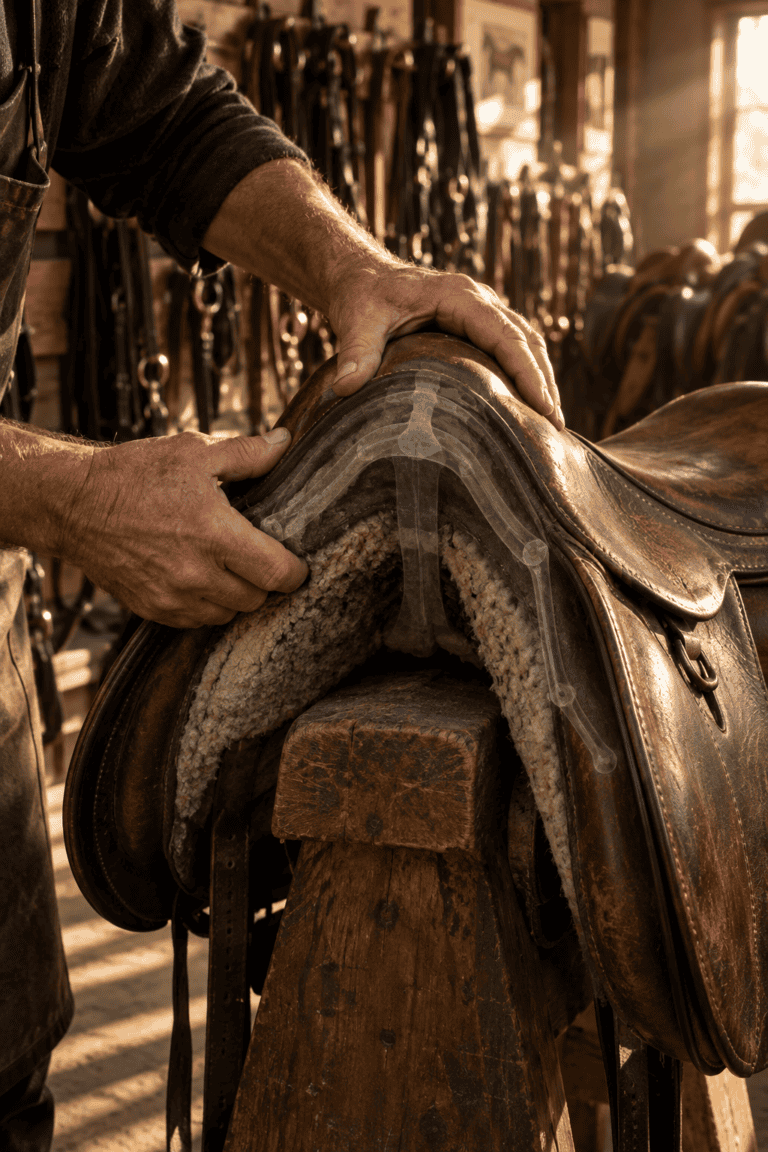
How they’re built is the argument for them. Lucchese attaches the outsole with brass or lemonwood pegs depending on the style, after hand-lasting the upper. The company says pegging holds the fit of the hand-lasted instep and makes it possible to resole the boot. It uses lemonwood because the wood “expand[s] and contract[s] with moisture at almost an identical rate as leather,” where brass nails would be forced out as the sole swells. Doug Hogue, Lucchese’s vice president of brand and product, told Fox Business in October 2025 that as many as 200 artisans touch each boot, the process takes four to six weeks, and “every boot is made one at a time.”
Here are the repair terms, which is where resoleable construction pays off. Lucchese’s warranty covers manufacturing defects for up to one year. After that, the company runs a paid repair service for soles, heels and tears in the leather. Work done by anyone other than Lucchese voids the warranty, and the customer covers shipping.
Fox Business reported the classic Original at about $1,195 and the Original Exotic at about $3,995. These are cowboy boots, so they won’t replace an English tall boot. If you ride western, the rest of your tack deserves the same scrutiny, and the western saddle brands you can still trust puts the saddles through it.
Check current Lucchese listings
1. Petrie: 280 steps in a Dutch workshop since 1857
Petrie traces its origins to 1857, when Jacobus Petrie started making riding boots. The company is still family-run, now by the brothers Gerald, Alwin and Hans-Paul Petrie, and it builds its boots by hand in its workshop in Brummen, in the eastern Netherlands.
Petrie says making one pair takes more than 280 separate actions. The pattern is projected onto the cutting table and cut, adjusted for any special finishing, then stitched into a shaft before lasting and finishing. The company uses calfskin and cowhide and tests new models with its sponsored riders for function and wear before release. Most models can be customized, with the choice of leathers, stitching and hardware on the same boot.
Petrie tops the list because it’s the only brand here that combines all three things this review can verify. It has a family ownership line going back more than a century and a half, a named workshop where the boots are made, and a specific account of the process. The catch is price transparency. Petrie doesn’t publish a price list, so pricing depends on the dealer and the customization. One Canadian dealer, for example, lists Petrie boots from CA$460 for the Riva up to CA$1,760 for a customized Superior.
How to check a riding boot before you buy it
- Find the build location. Look for a named town or factory on the brand’s own site. “Imported” tells you nothing.
- Ask how the sole is attached, and whether it can be replaced. A boot that can be resoled lasts as long as its upper does.
- Read the warranty and the repair terms. Note what’s covered, for how long, and what happens after it runs out.
- Check the return policy on made-to-order boots before you measure. Custom boots are often final sale.
- Get measured by the dealer. Calf circumference, calf height and foot length all matter, and the boots on this list are sized differently from one another.
- Buy for the riding you actually do. A boot built for the show ring and a boot built for all-day barn work are different boots, whatever the price.
What we could not verify
These gaps are stated here rather than left out.
- Ariat’s manufacturing countries. Ariat doesn’t publish where its boots are made. The countries reported elsewhere come from secondary sources.
- Durability. None of the six brands publishes independent durability or wear testing, and this review found none for any riding boot.
- Petrie’s production for every line. Petrie says its boots are handcrafted in Brummen. This review couldn’t confirm whether that applies to every model in the range.
- Fabbri’s 25-day figure comes from Fabbri as quoted by its retailers and in a 2018 trade report, not from a current Fabbri page.
- Parlanti’s riders. Harrie Smolders’s Parlanti sponsorship is listed in his public biography. Jeroen Dubbeldam’s use of the boots comes from a retailer.
- DeNiro’s Green Line environmental figures are the company’s own and weren’t independently checked.
- Prices change often and vary by retailer. The figures here are list prices from the sources named, with dates.
Celebrity-customer claims that couldn’t be traced to a source, and retailer “best boot” roundups, were left out entirely.
Related reading
The same checks, build location first, work across the tack room. The underrated tack brands that cost less than you expect applies them to budget gear, and the seven girth brands you can still trust applies them to the strap that holds the saddle on. Riders in western boots can run the same checks on six cowboy boot brands robbing you blind and six worth every penny, and the six breeches brands you can still trust covers the rest of what a rider wears.
References
- Ariat: About Us and company history. ariat.com. Founding and Secretariat name origin: en.wikipedia.org
- Ariat: Heritage Contour II Field Zip Tall Riding Boot specifications and price (checked September 2026). ariat.com
- Fratelli Fabbri: company history and handcrafting. stivalifabbri.it
- Reitstiefel Kandel: Fratelli Fabbri brand description, up to 25 days’ processing time. reitstiefel-kandel.de
- Jumper Nation (February 2018). Fabbri Unveils First Vegan Riding Boot. jumpernation.com
- Riding Warehouse: Fratelli Fabbri Prime Tall Field Riding Boots, warranty terms. ridingwarehouse.com
- Parlanti Roma: company history and Rome production. parlanti.com. Parlanti Passion About Us: parlantipassion.it
- Parlanti International: Dallas Pro and Essence list prices and specifications (checked September 2026). parlantiinternational.com
- Harrie Smolders: career and sponsors. en.wikipedia.org. Horse Riders Classics, Parlanti riders: horseridersclassics.com
- DeNiroBootCo: company history. denirobootco.com. Green Line: denirobootco.com
- The one-cent story, as told by DeNiro and its retailers. myridingboots.com
- Olson’s Tack Shop: Tricolore by DeNiro list prices (checked September 2026). shop.olsonstack.com. Mary’s Tack, Tricolore Amabile specifications: marystack.com
- Lucchese: Our Process (pegging and hand-lasting). lucchese.com. A Study in Detail, Part 1: Lemonwood Pegs (May 2021): lucchese.com
- Lucchese: Warranty and repairs. lucchese.com
- Fox Business (October 2025). Lucchese Bootmaker keeps American craftsmanship alive for over a century. foxbusiness.com
- Bullock Texas State History Museum: Lucchese Boot Company. thestoryoftexas.com. Ownership history: en.wikipedia.org
- Petrie: About Petrie. petrie.nl. Production process: coolridingboots.com
- Harmony Tack Shop: Petrie boot prices in Canadian dollars (checked September 2026). harmonytackshop.com